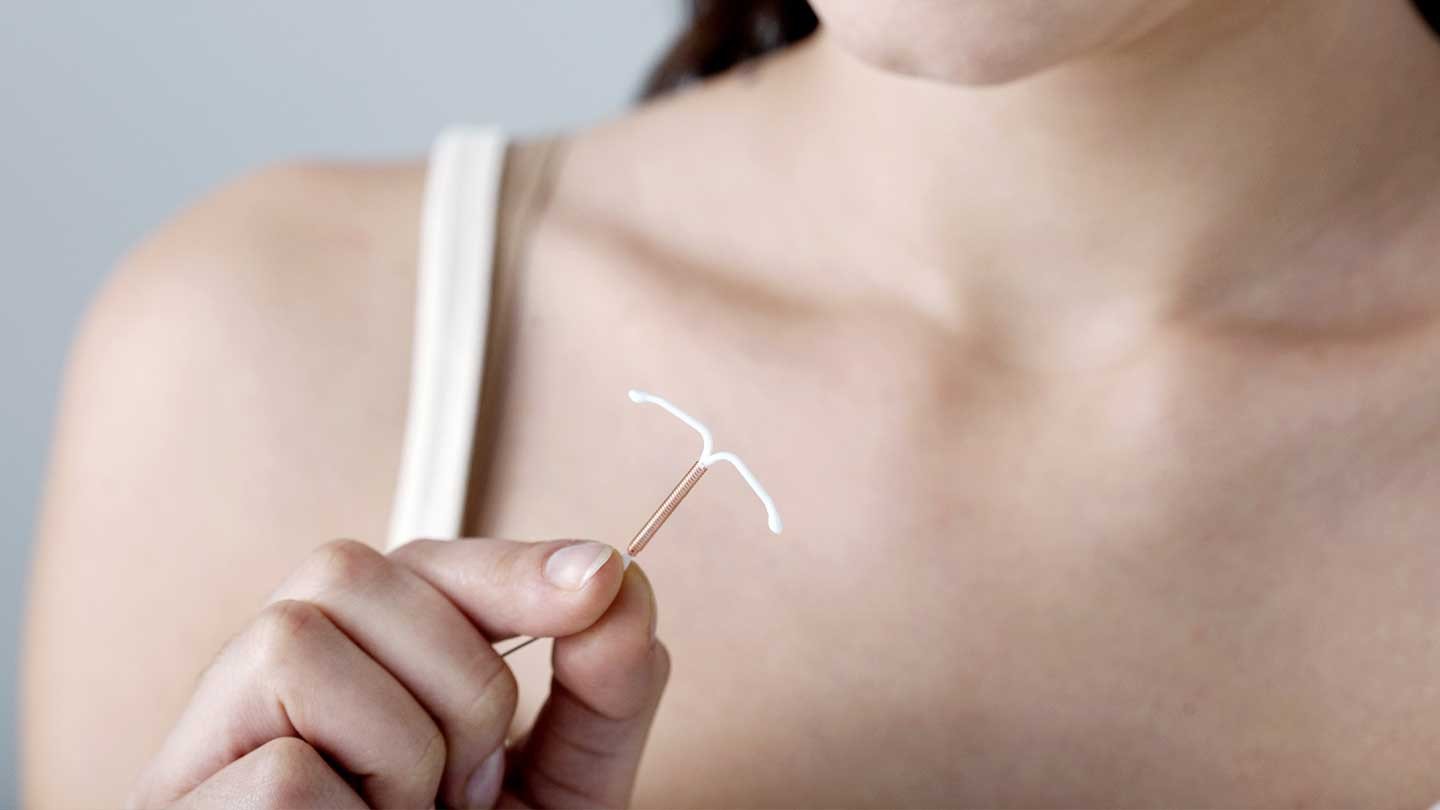
Copper T, a hormone-free intrauterine device (IUD), is one of the most effective and long-lasting contraceptive options available. Many women choose Copper T in Abu Dhabi for its reliability, reversibility, and lack of hormones. One common question among users and those considering Copper T is: how quickly does fertility return after removal? Understanding the timeline, factors affecting fertility, and what to expect post-removal is essential for planning pregnancy or assessing reproductive health. This article provides a comprehensive guide.
Copper T works as a contraceptive by creating a localized environment in the uterus that is toxic to sperm, preventing fertilization. Its effectiveness does not depend on altering hormone levels, which means:
Ovulation continues normally while Copper T is in place.
The menstrual cycle is generally unaffected, though some women may experience heavier bleeding or cramping.
Fertility is not suppressed systemically, unlike hormonal contraceptives that may temporarily delay ovulation after discontinuation.
Because Copper T does not interfere with ovarian function, its effect on fertility is entirely reversible.
One of the major advantages of Copper T is the immediate return of fertility after the device is removed:
Ovulation resumes in the same cycle in which the device is removed.
Women can conceive in the first menstrual cycle post-removal if ovulation occurs.
There is no waiting period required, unlike some hormonal methods that may take weeks or months to normalize fertility.
This immediacy makes Copper T a preferred choice for women who want long-term contraception but may plan for pregnancy in the near future.
While Copper T itself does not delay fertility, several factors can influence how quickly conception occurs after removal:
Fertility naturally declines with age, particularly after 35.
Younger women generally experience quicker conception post-removal.
Conditions such as polycystic ovary syndrome (PCOS), thyroid disorders, or endometriosis can affect fertility regardless of Copper T use.
Maintaining a healthy lifestyle can optimize reproductive outcomes.
Women with regular cycles usually ovulate predictably, facilitating conception.
Irregular cycles may delay pregnancy, but Copper T does not cause long-term disruption.
Past difficulties with conception may persist even after Copper T removal.
Couples with known fertility challenges should consult a healthcare provider for guidance.
After Copper T is removed, most women experience:
Return of normal menstruation: Periods typically resume immediately or within one cycle.
Ovulation in the first cycle: Since Copper T does not affect hormones, ovulation usually occurs as expected.
No residual contraception effect: Fertility is restored instantly, so alternative contraception is necessary if pregnancy is not desired.
It is important to track ovulation and cycles if planning conception to optimize the chances of pregnancy.
Women planning pregnancy after removal may benefit from:
Tracking menstrual cycles: Helps identify ovulation and fertile windows.
Healthy lifestyle choices: Proper nutrition, exercise, and stress management support reproductive health.
Medical evaluation if needed: If conception does not occur after 6–12 months of regular attempts (or sooner for women over 35), fertility assessment may be recommended.
Regular check-ins with a healthcare provider can help ensure a smooth transition from contraception to conception.
Yes. Fertility typically returns immediately, and ovulation can occur in the first cycle post-removal.
No. Copper T does not affect long-term fertility. Any difficulty conceiving post-removal is usually due to underlying health factors, not the device itself.
You can try to conceive immediately after removal, as there is no need to wait for cycles to normalize.
Most women experience a return to their pre-insertion menstrual pattern, though some may notice temporary changes in flow or cramping for a short time.
Yes. Age, underlying reproductive conditions, and overall health can influence how quickly conception occurs. Copper T itself does not delay fertility.
Copper T is particularly advantageous for women who want:
Reliable contraception for a set period without affecting future fertility.
Immediate reversibility when planning pregnancy.
Hormone-free birth control that does not disrupt ovulation or menstrual cycles.
These characteristics make it a flexible option for women balancing contraception with family planning goals.
Fertility returns almost immediately after Copper T removal because the device does not interfere with ovulation or hormonal regulation. Women can typically conceive in the first cycle post-removal, provided there are no underlying fertility issues. Age, overall health, menstrual regularity, and pre-existing conditions can influence the timeline, but Copper T itself does not cause long-term fertility delays.
Understanding the return of fertility after Copper T allows women to plan pregnancy confidently and make informed decisions about their reproductive health. With proper monitoring and attention to overall wellness, Copper T provides both effective contraception and immediate reversibility, combining convenience with flexibility for family planning.