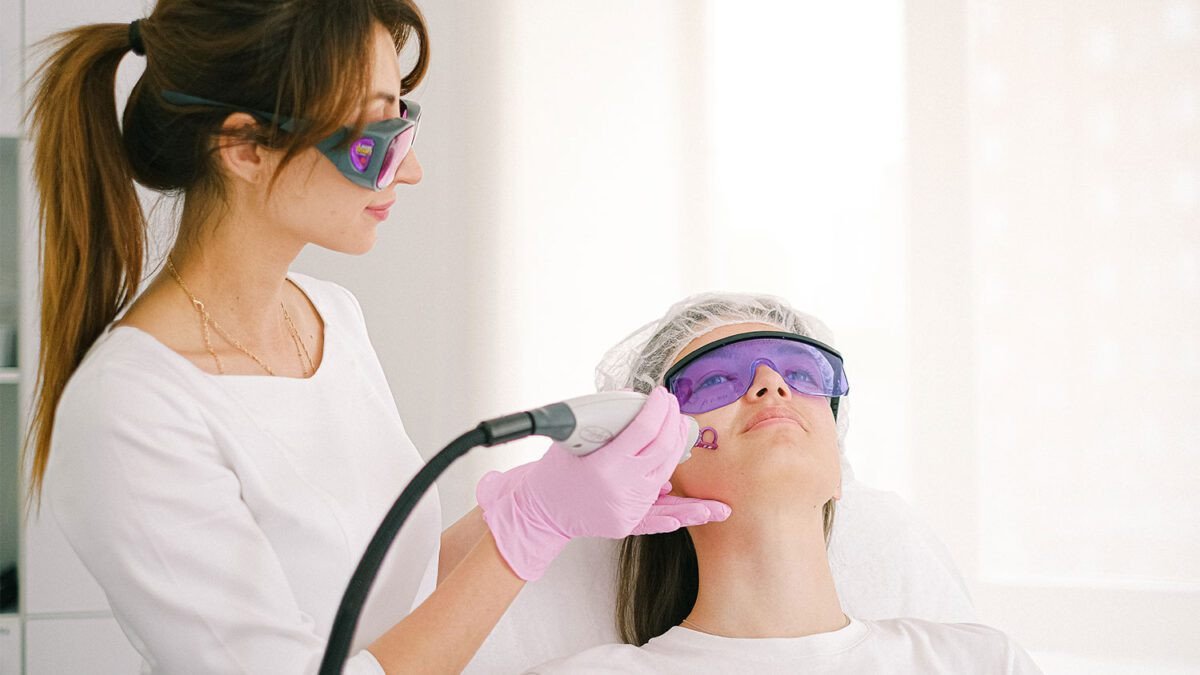
Melasma is a common skin condition that causes dark, patchy areas on the face, often affecting the cheeks, forehead, nose, and upper lip. While melasma is not harmful in itself, it can significantly alter the appearance of your skin tone, leading to uneven pigmentation, blotchiness, and a dull complexion. Melasma Treatment in Abu Dhabi offers professional solutions to help manage pigmentation, restore an even skin tone, and improve overall complexion. Understanding how melasma develops and its impact on skin tone is essential for managing the condition effectively.
Melasma results from excessive melanin production, the pigment responsible for skin color. When melanocytes — the cells that produce melanin — become overactive, dark patches appear, disrupting the uniformity of skin tone. The development of melasma is influenced by multiple internal and external factors, including genetics, hormonal changes, and environmental triggers.
The key factor in melasma development is the overactivity of melanocytes. Melanocytes respond to triggers by producing more melanin than the surrounding skin needs. This excess pigment accumulates in certain areas, creating visible dark patches.
Overactive melanocytes can be influenced by:
Hormonal changes: Fluctuations during pregnancy, contraceptive use, or hormone therapy can stimulate melanocyte activity.
Sun exposure: Ultraviolet (UV) radiation triggers melanocytes to produce melanin as a protective response, which can exacerbate existing pigmentation.
Genetics: Some individuals are genetically predisposed to develop melasma, making them more sensitive to pigmentation triggers.
Several factors contribute to the initiation and worsening of melasma:
UV radiation: Even short-term exposure can stimulate melanocytes in susceptible individuals.
Hormonal influence: Estrogen and progesterone can increase melanin production, which is why melasma often appears or worsens during pregnancy.
Inflammation or skin irritation: Skin trauma or chronic inflammation can activate melanocytes, intensifying pigmentation.
Cosmetic products: Certain harsh products may irritate the skin and worsen uneven pigmentation.
Melasma can affect different layers of the skin, influencing how it changes your skin tone:
Epidermal melasma: Pigmentation occurs in the uppermost layer of skin, resulting in more uniform, brown patches that respond relatively well to topical treatments.
Dermal melasma: Pigment is deeper in the skin, producing bluish-brown or grayish patches that are harder to treat.
Mixed melasma: Both superficial and deep pigmentation are present, causing complex patchy discoloration.
The type and depth of melasma determine the degree to which it affects skin tone and the approach needed for treatment.
Melasma primarily alters evenness of skin tone, creating contrast between affected and unaffected areas. It can manifest as:
Darker patches: Most noticeable on the cheeks, forehead, upper lip, and chin
Uneven pigmentation: The contrast between pigmented and normal areas disrupts overall skin uniformity
Dullness or lack of radiance: Hyperpigmentation can mask the skin’s natural glow, making it appear lifeless
Blotchiness: Irregularly shaped or asymmetrical patches contribute to an inconsistent complexion
The severity of skin tone disruption depends on factors such as sun exposure, hormonal levels, skin type, and whether melasma is superficial or deep.
Uneven skin tone caused by melasma can affect self-confidence and influence how others perceive the skin’s overall health. People often feel the skin looks tired, aged, or uneven, even if the condition itself is medically harmless.
Melasma is often chronic, and without management, it can persist or worsen:
Fluctuating pigmentation: Pigmentation may lighten or darken depending on sun exposure, hormonal changes, or skin care habits.
Expansion of affected areas: Patches may grow or merge over time if triggers continue to stimulate melanocytes.
Recurring flare-ups: Even after treatment, melasma can reappear, especially in sun-exposed areas.
Effective management of melasma helps restore more even skin tone and reduce the visual impact of pigmentation. Treatments aim to:
Reduce melanocyte activity: Topical creams or procedures prevent new pigment formation.
Promote skin renewal: Exfoliation and cell turnover reveal fresher, more evenly pigmented skin.
Protect against triggers: Sun protection and gentle skincare minimize future pigmentation flare-ups.
Topical treatments: Creams containing ingredients that regulate melanin production, support skin renewal, and maintain uniform tone.
Professional procedures: Chemical peels, microneedling, or light-based therapies to target superficial or deeper pigment.
Preventive strategies: Daily sun protection, avoiding irritants, and maintaining a consistent skincare routine to support skin tone balance.
Melasma may fluctuate but rarely disappears completely without treatment. Sun exposure and hormonal changes often trigger persistence or worsening.
While more common in women, especially due to hormonal influences, men can also develop melasma.
Melasma typically affects the central face, including cheeks, forehead, nose, and upper lip. In some cases, it can extend to the jawline or neck.
No. Age spots are usually small, sun-induced spots appearing later in life, whereas melasma causes larger, patchy, hormone-influenced pigmentation.
Yes. Limiting sun exposure, maintaining consistent skincare, and avoiding skin irritants can reduce flare-ups and improve the appearance of uneven skin tone.
Melasma develops primarily due to overactive melanocytes, influenced by sun exposure, hormones, and genetics. Its effects on skin tone are significant, producing uneven pigmentation, blotchiness, and loss of radiance. Understanding the mechanisms of melasma and the factors that trigger it is essential for managing the condition effectively.
Although melasma is chronic, treatments that regulate melanin production, promote skin renewal, and protect against triggers can restore more even skin tone and enhance overall appearance. With consistent care and preventive strategies, it is possible to minimize the visual impact of melasma, maintain skin health, and achieve a more uniform, radiant complexion.