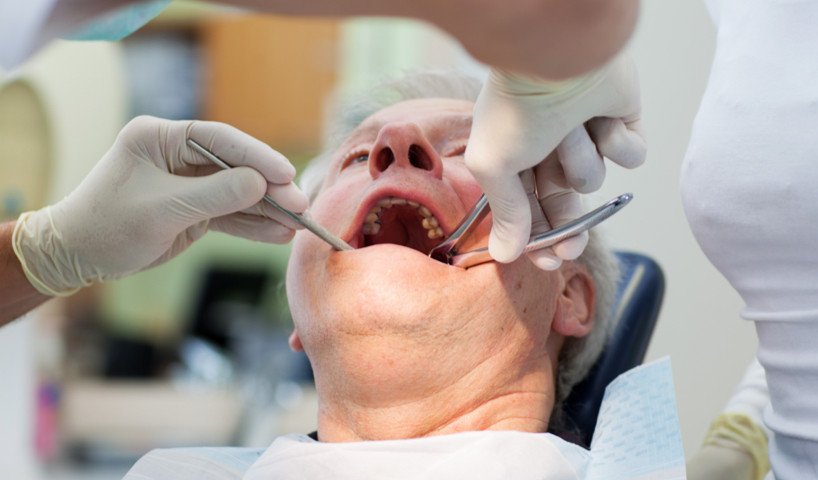
Tooth removal, or extraction, is a common dental procedure used to address severe decay, infection, or structural damage. While it effectively resolves immediate issues, adults considering Tooth Removal in Abu Dhabi often wonder whether losing a tooth can cause long-term problems. Understanding the potential consequences and how to minimize them is essential for maintaining oral health and function over time.
Immediately after extraction, the body begins a natural healing process:
Formation of a blood clot: Protects the empty socket and promotes tissue healing.
Gum tissue closure: The gums gradually cover the extraction site over 1–2 weeks.
Temporary tenderness or swelling: Common in the first few days as part of recovery.
These immediate effects are generally short-lived. Long-term considerations, however, focus on changes to oral structure, alignment, and function over months or years.
Teeth provide stimulation to the jawbone through their roots. When a tooth is removed:
Bone remodeling occurs: The jawbone under the extraction site gradually shrinks or resorbs over time.
Risk of bone loss: Significant bone loss can affect the stability of neighboring teeth and the overall shape of the jaw.
Altered facial structure: Over years, multiple missing teeth may contribute to subtle changes in facial appearance, particularly in the cheeks and jawline.
Replacing missing teeth with implants or other restorations can help prevent bone loss and maintain jaw structure.
Tooth removal can influence surrounding teeth in the following ways:
Shifting teeth: Adjacent teeth may move into the empty space, causing misalignment and bite changes.
Crowding or spacing issues: Teeth movement can create gaps or overlap, increasing the risk of plaque buildup and difficulty cleaning.
Increased wear: Misaligned teeth may experience uneven pressure, leading to fractures, enamel wear, or discomfort.
Maintaining proper alignment through dental restoration helps preserve both function and appearance.
A missing tooth can affect oral function:
Chewing efficiency: Missing molars or premolars can reduce the ability to chew food effectively.
Speech alterations: Teeth play a key role in pronunciation; gaps, especially in the front, may temporarily change speech patterns.
Bite changes: Over time, missing teeth can alter how the upper and lower teeth meet, potentially causing jaw strain or uneven wear.
These functional issues emphasize the importance of considering replacement options after extraction.
Even a single missing tooth can influence confidence and self-esteem:
Impact on smile aesthetics: Front teeth removal is immediately noticeable, which may affect social interactions.
Changes in facial support: Teeth help maintain the natural shape of the face, and loss can lead to subtle changes in cheek or lip appearance.
Restoration options like implants, bridges, or partial dentures can preserve both appearance and confidence.
Several factors determine whether tooth removal may cause long-term problems:
Location of the extracted tooth: Front teeth have more visible aesthetic impact, while back teeth affect chewing and alignment.
Number of teeth removed: Multiple extractions increase the likelihood of functional and structural changes.
Oral hygiene and care: Proper care can prevent complications and maintain overall dental health.
Timely replacement of missing teeth: Restoration minimizes shifting, bite changes, and jawbone loss.
Yes, if left unaddressed, missing teeth can cause neighboring teeth to shift, altering your bite over time.
Some degree of bone remodeling occurs naturally, but the extent depends on the tooth location and whether it is replaced with an implant or similar restoration.
Without replacement, missing teeth can affect appearance, particularly if multiple teeth are removed. Restorations can fully restore the smile.
Maintaining oral hygiene, monitoring tooth alignment, and considering replacement options such as implants, bridges, or dentures help prevent long-term complications.
Yes. Chewing efficiency, speech, and bite alignment may be affected over time, which can contribute to additional dental issues.
Tooth removal is an effective solution for severe decay, infection, or damage, but it can have long-term implications if not managed properly. Potential issues include bone loss, shifting teeth, bite changes, reduced chewing efficiency, and subtle aesthetic changes.
Fortunately, these long-term problems are often preventable with timely restoration, proper oral hygiene, and regular monitoring by a dental professional. By addressing the gap and maintaining healthy teeth and gums, adults can enjoy both functional and aesthetic benefits long after a tooth is removed.