Bad breath, or halitosis, is a common concern that affects millions of people worldwide. It can interfere with confidence, social interactions, and overall quality of life. Many individuals considering Teeth Cleaning in Abu Dhabi wonder if professional teeth cleaning can eliminate bad breath permanently. While teeth cleaning plays a vital role in reducing odors, understanding the underlying causes of halitosis and the limitations of dental cleanings is essential for long-term results.
Bad breath is not always caused by poor oral hygiene alone. The condition can result from several factors, including:
Bacterial buildup: The primary cause of bad breath is the accumulation of bacteria on teeth, gums, tongue, and other areas in the mouth. These bacteria produce sulfur compounds that emit an unpleasant odor.
Food particles: Residual food stuck between teeth or in gum pockets can decompose, leading to foul smells.
Dry mouth: Saliva helps cleanse the mouth naturally. Reduced saliva flow can allow bacteria to multiply, increasing odor.
Gum disease: Gingivitis and periodontitis provide an environment for bacteria to thrive, often causing persistent bad breath.
Medical conditions: Certain illnesses, digestive issues, or metabolic disorders can contribute to halitosis.
Because bad breath can have multiple origins, teeth cleaning alone may not permanently solve the problem if other factors are involved.
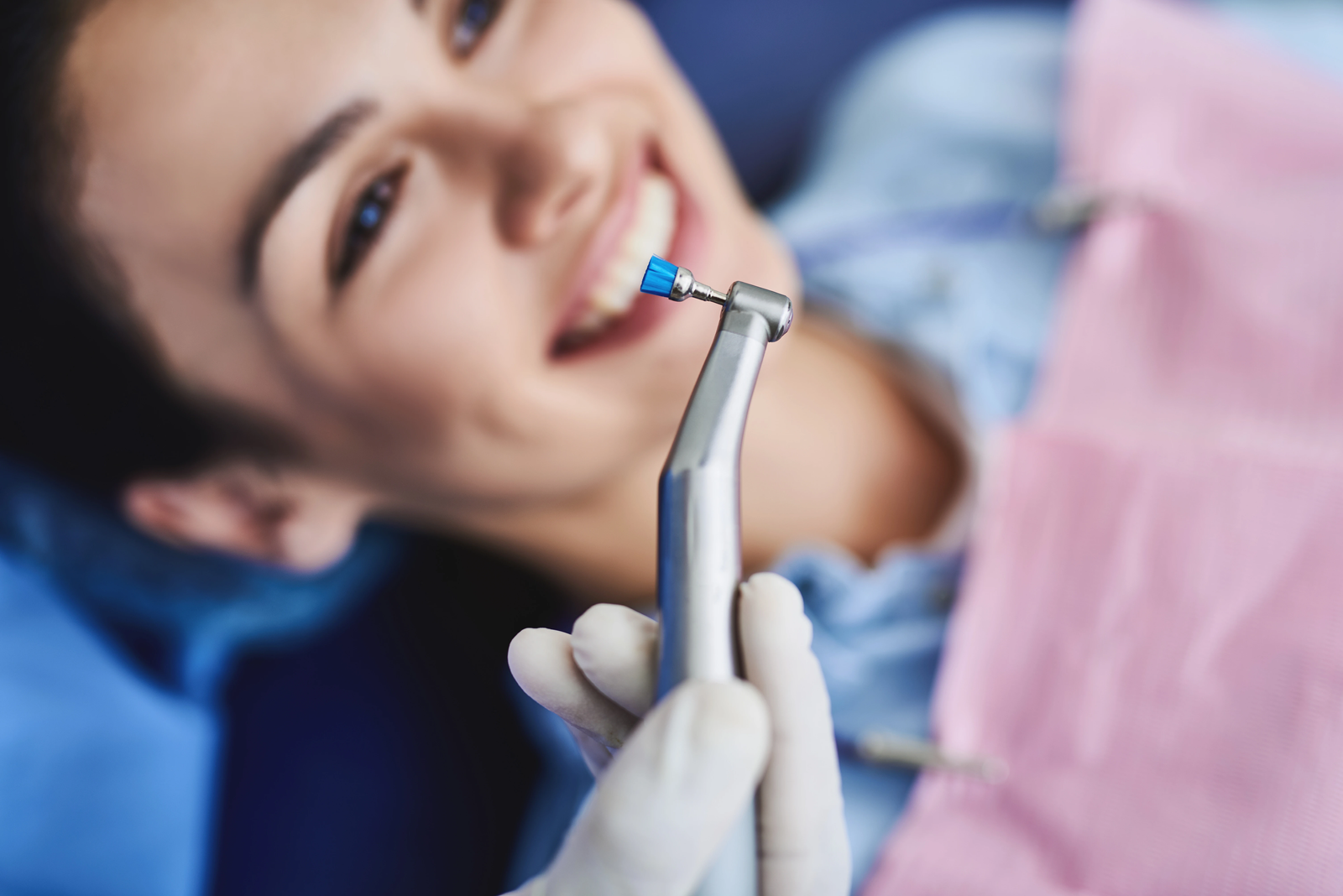
Professional teeth cleaning, also called dental prophylaxis, is highly effective at reducing bad breath caused by oral bacteria and plaque accumulation. During a cleaning, a dental professional:
Removes plaque and tartar: Bacterial buildup that produces sulfur compounds is eliminated.
Cleans hard-to-reach areas: Scaling and polishing remove bacteria and food debris between teeth, along the gumline, and on tooth surfaces.
Polishes teeth: Smooth tooth surfaces discourage new plaque accumulation.
Provides guidance: Patients receive instructions for brushing, flossing, and maintaining oral hygiene at home.
For many patients, the immediate effect of teeth cleaning is fresher breath. However, the permanence of this improvement depends on daily oral care and lifestyle habits.
While professional cleaning removes existing bacterial buildup, it does not prevent new bacteria from forming. Without proper home care, plaque and odor-causing bacteria return over time. Factors that can reduce the long-term effectiveness of cleaning in controlling bad breath include:
Inconsistent brushing and flossing: Failing to brush twice daily and floss can allow plaque and food debris to accumulate rapidly.
Tongue bacteria: The tongue is a primary site for bacterial growth. If not cleaned regularly, bacteria continue to produce odor.
Dietary habits: Strong-smelling foods, sugar, and acidic beverages can increase bacterial activity.
Smoking or tobacco use: These contribute to persistent oral odors and reduce oral tissue health.
Underlying health conditions: Chronic conditions such as sinus infections, diabetes, or digestive issues can perpetuate bad breath despite dental cleaning.
For permanent reduction, teeth cleaning must be combined with comprehensive oral care and healthy habits.
To maximize the benefits of professional cleaning, several complementary practices are recommended:
Daily brushing: Brushing teeth twice a day removes plaque before it hardens into tartar. Using fluoride toothpaste strengthens enamel while eliminating bacteria.
Flossing: Flossing once daily removes food particles and plaque between teeth, reducing odor sources.
Tongue cleaning: Scraping or brushing the tongue helps remove bacterial colonies that contribute to bad breath.
Hydration: Drinking water regularly prevents dry mouth, which can exacerbate bacterial growth.
Balanced diet: Avoiding excessive sugar and consuming fresh fruits and vegetables reduces bacterial activity and helps maintain oral health.
Regular professional cleanings: Scheduling cleanings every six months ensures persistent buildup is removed and maintains fresh breath over time.
Integrating these practices ensures that the benefits of teeth cleaning are long-lasting and more likely to produce permanent improvements in breath quality.
Modern teeth cleaning techniques enhance the reduction of bad breath by targeting bacteria more effectively. Methods such as ultrasonic scaling, air polishing, and laser-assisted cleaning remove bacteria from below the gumline and other hard-to-reach areas. These advanced approaches reduce bacterial colonies that traditional cleaning might miss, offering a deeper and longer-lasting effect on breath freshness.
If bad breath continues despite regular teeth cleaning and consistent oral hygiene, it may indicate an underlying issue that requires further attention. Persistent halitosis could result from:
Gum disease: Advanced gingivitis or periodontitis may harbor bacteria that standard cleaning cannot fully eliminate.
Oral infections: Abscesses or untreated cavities can produce foul odors.
Medical conditions: Sinus infections, acid reflux, respiratory infections, and metabolic disorders can all cause chronic halitosis.
In such cases, dental professionals may recommend additional evaluations or treatments to address the root cause rather than just the symptom.
Even though teeth cleaning may not guarantee permanent elimination of bad breath, it significantly improves confidence and social comfort. Many patients experience immediate fresher breath after a cleaning, which enhances personal interactions and self-esteem. Combined with proper oral hygiene practices, professional cleanings provide a foundation for maintaining a positive social presence and overall oral health.
Professional teeth cleaning is an essential step in reducing bad breath, particularly when it is caused by plaque, tartar, or bacterial buildup. Advanced cleaning techniques and thorough oral hygiene can significantly decrease odor, creating immediate and noticeable improvements. However, cleaning alone is not a permanent solution.
For long-lasting results, daily brushing, flossing, tongue cleaning, hydration, and regular follow-up cleanings are crucial. Addressing dietary habits, avoiding tobacco, and monitoring for underlying health conditions also play an important role. By combining professional cleanings with consistent home care and lifestyle adjustments, individuals can achieve fresher breath that lasts, while also supporting overall oral health and confidence.